
What We Help
Better For Life
Look Beneath the Symptom
Pain, stiffness, tension, and recurring problems are often more than isolated issues. They often reflect how your body has adapted to the demands placed on it over time—including work and activities, posture, previous injuries, movement patterns, stress, sleep, and recovery.
At Better For Life, we don’t offer only a one-size-fits-all treatment. We care for the person, not the condition. We start by looking at what’s happening with you and what may be contributing to the problem you’re experiencing.
Some problems are primarily mechanical, involving restricted joints, altered movement, or muscles that are working harder than they should. Others may involve irritation of a disc or nerve, inflammation, or changes in how your nervous system is responding to stress.
From there, your care is based on what we find and what you want to accomplish. Chiropractic care, corrective exercises, mobility work, and other supportive approaches may be incorporated when appropriate.
The goal is simple: understand what’s going on, address the factors we can influence, and help your body move and function better.
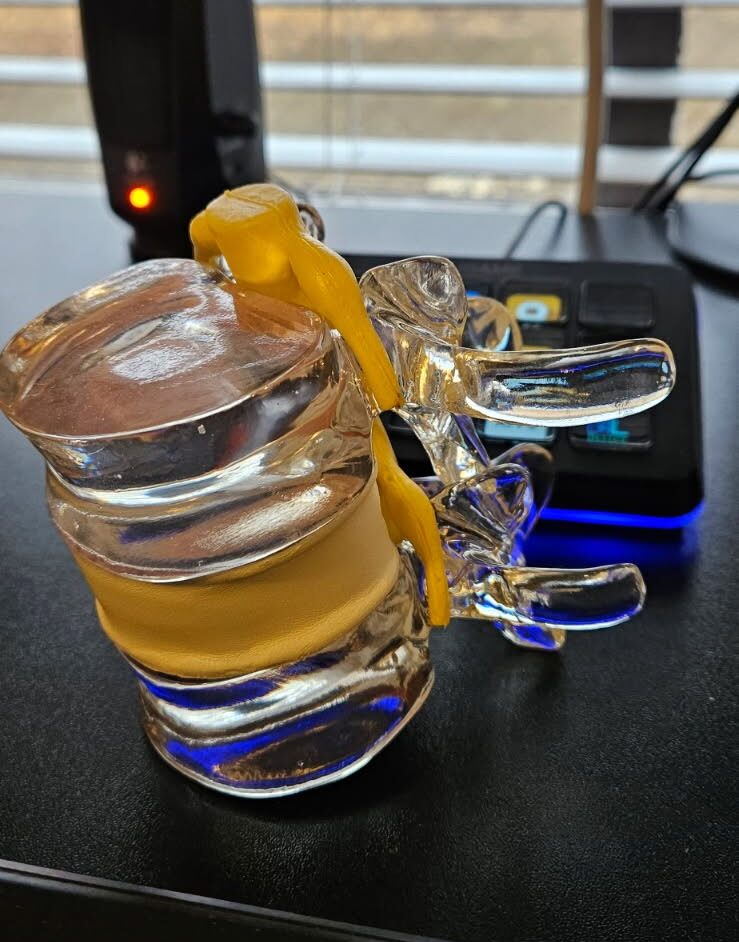

Headaches can have many causes, and symptoms may include head pain, pressure, neck discomfort, or sensitivity to light. An evaluation can help determine whether musculoskeletal factors may be contributing to your symptoms and whether chiropractic care may be appropriate.
Neck discomfort can affect turning your head, working at a desk, driving, and sleeping comfortably.
Back pain has many possible causes. Understanding your symptoms and how they affect movement helps guide appropriate care.
Pain, tingling, or numbness that travels from the lower back or buttock into the leg may involve irritation of spinal nerves. An evaluation can help identify possible contributing factors and determine whether chiropractic care may be appropriate.
Shoulder discomfort may involve the shoulder itself or contributing factors involving the neck and upper back.
Prolonged sitting, repetitive activities, and sustained positions may contribute to neck, back, and shoulder discomfort. We evaluate movement and relevant musculoskeletal factors and discuss practical strategies that may help you move more comfortably throughout the day.