
Consequences of Bad Posture
Upper and lower crossed syndromes describe characteristic patterns of muscle tightness or shortening and weakness or altered muscle activation that may be associated with postural changes, restricted movement, and musculoskeletal discomfort. These patterns can be relevant when evaluating patients with persistent neck, shoulder, or lower-back symptoms
Poor postural habits in the office, or in other areas of life, may contribute to spinal joint dysfunction, sometimes described in chiropractic practice as vertebral subluxations. Prolonged sitting, repetitive movements, and sustained awkward positions can place ongoing mechanical demands on the spine and surrounding tissues.
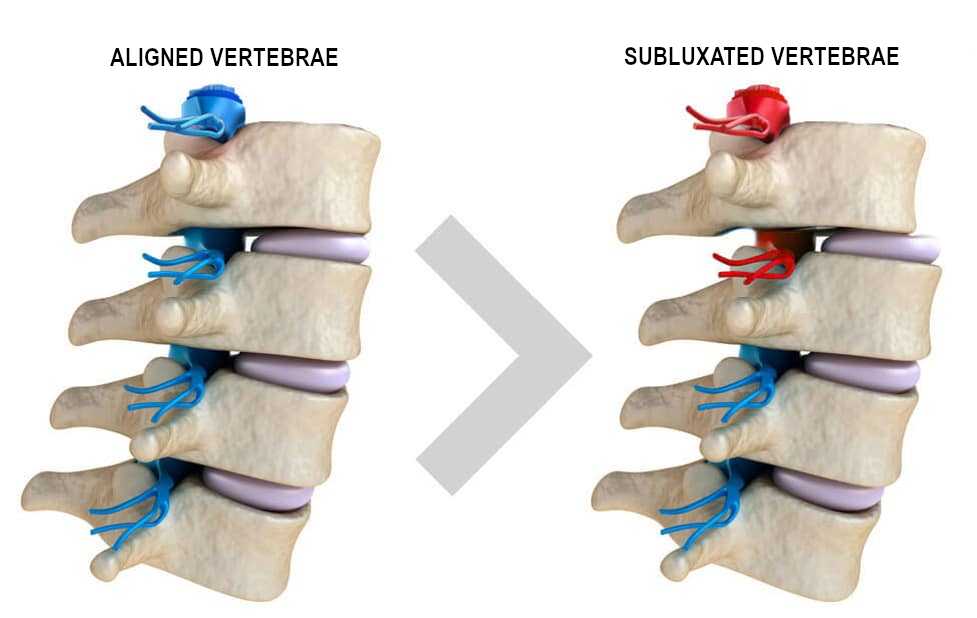
Chiropractors don’t just treat conditions; we support the person inside. Proactive self-care is an investment in your body’s natural ability to adapt, heal, and thrive. Your brain and nervous system are constantly receiving information from throughout your body and coordinating how your body responds. The brain and nervous system continuously coordinate posture, balance, and movement in response to gravity. Your spine plays an important role in that communication.